EUROPEAN ORGANIZATION FOR NUCLEAR RESEARCH CERN
THE WORLD'S LARGEST PARTICLE ACCELERATOR STANDS ON CALENBERG'S PERFORATED BEARINGS
THE PROJECT AND ITS REQUIREMENTS
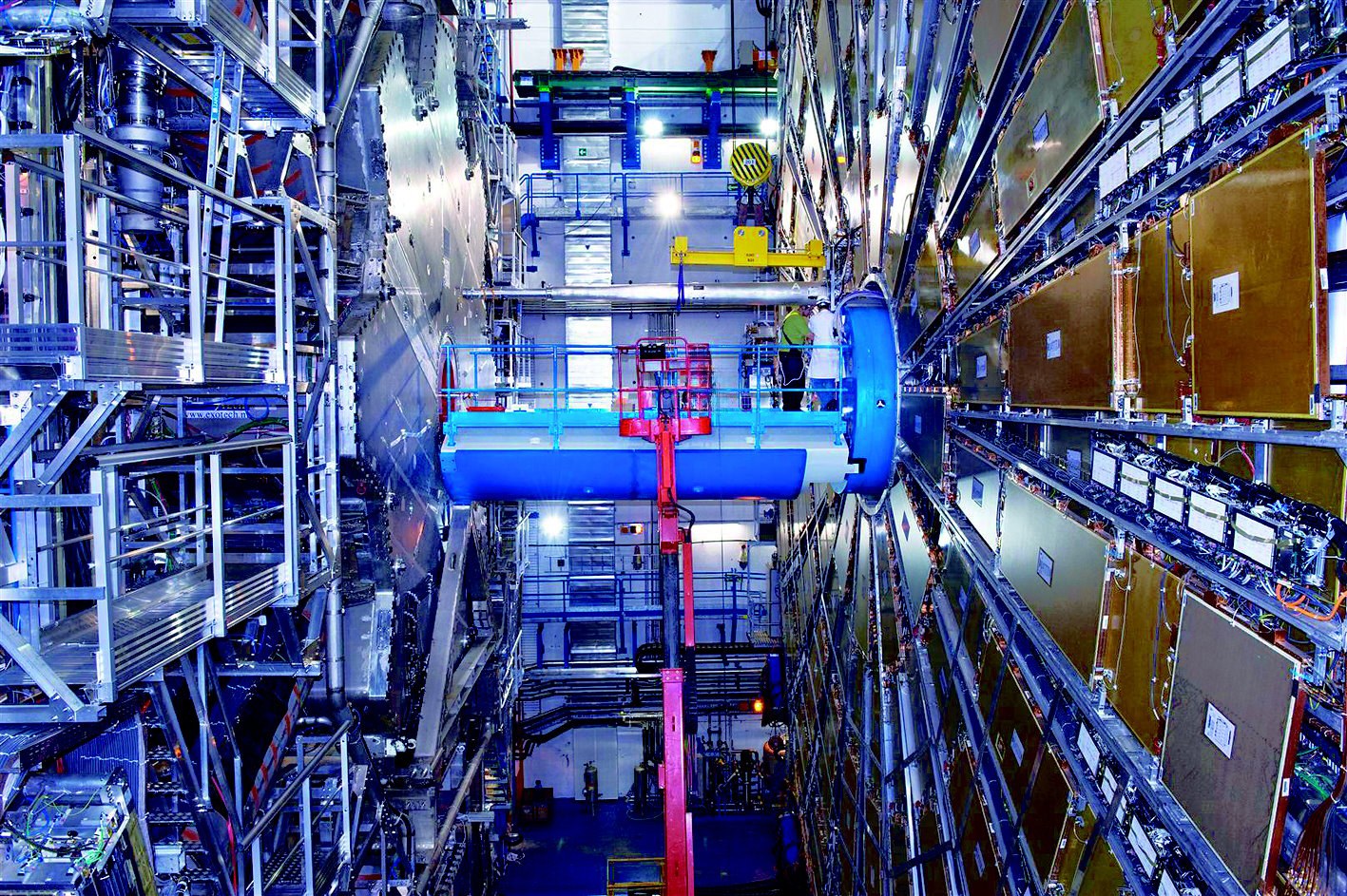
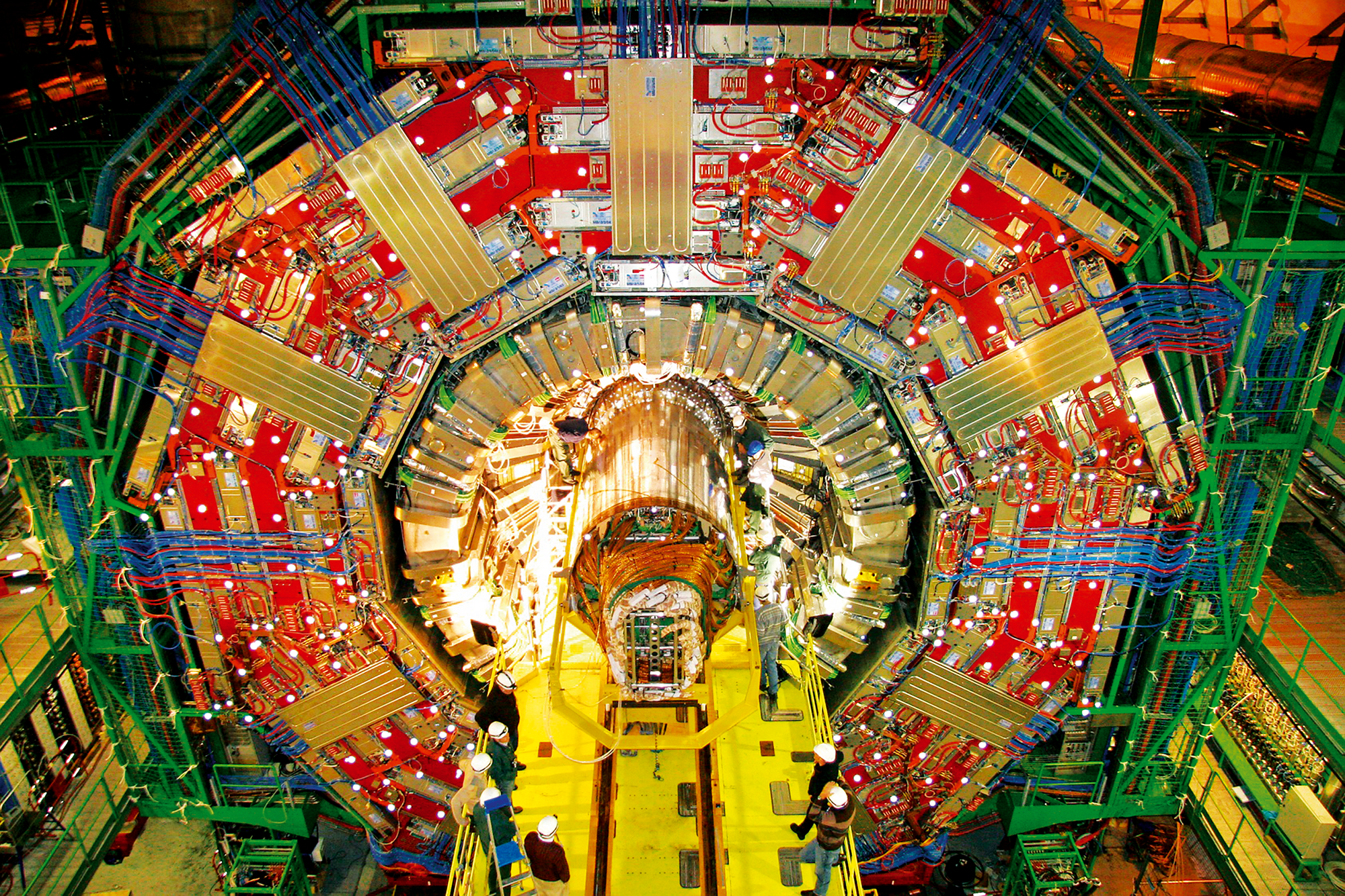
CERN performs fundamental research in physics. The subject of research is the fundamental structure and constituents of matter using particle accelerators.In 2008 the largest and most complex machine in the world started operating: the particle accelerator at the European Organization for Nuclear Research (CERN).
The accelerator's extremely powerful performance is intended to push the boundaries of physical knowledge and find the crucial, last missing particle for the Standard Model of particle physics. The Large Hadron Collider (storage ring), where the experiments are conducted, is 27 km long and 100 m below the earth's surface.
THE SOLUTION
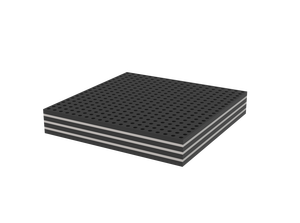
The precision of the components placed special demands on the static component support.The magnets that guide the particle beam need to be installed on extremely precise substructures to ensure a uniform magnetic field. In 1999, unreinforced and steelreinforced Calenberg perforated bearings were used for the correct bearing of the heavy and very delicate pipes.
This allowed the particle accelerator to be commissioned without any problems.

FACTS AND FIGURES
Completion: 2008City, country: Geneva, Switzerland
Realisation: 1999
CALENBERG PRODUCTS USED
Perforated bearingTECHNICAL FEATURES OF PERFORATED BEARING
Absorbable tensionσR,d 35 N/mm²
Max. rotation angle
αmax ≤ 43‰
Max. shear deformation
17,9mm
Thicknesses
15, 24, 33, 42 and 51mm
Temperature resistance
-25 °C and +50 °C, short-term up to +70 °C